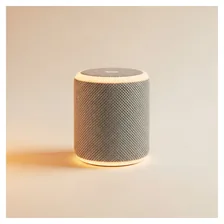
Portable Speakers

Portable Speakers

Complete repair, care and maintenance guide for portable audio devices

Portable Bluetooth speakers travel with us to the kitchen, the garden, the beach, and on holiday — exposed to splashes, drops, sand, and the limitations of their internal rechargeable batteries. Their convenience comes at a cost: they take more abuse than almost any other audio device. Distortion at higher volumes, dropped Bluetooth connections, batteries that no longer hold a full charge, and unresponsive buttons are the issues that owners encounter most often. Almost all of these problems have at-home solutions involving simple resets, contact cleaning, or — in the worst case — a straightforward battery replacement. This guide covers every common fault with clear steps.

Understanding Portable Speakers

Portable Bluetooth speakers have evolved from cheap novelty devices into serious audio equipment that can fill a room, survive a beach trip, and last 24+ hours on a single charge. The category spans pocket-sized speakers under $30, mid-range $80–$150 models that handle picnics and camping, and rugged $200–$400 party speakers with stereo pairing, light shows, and outputs loud enough to make traditional bookshelf hi-fi feel quaint. Brands like JBL, Bose, Sonos, UE, and Anker have made portable audio one of the most competitive consumer electronics categories.

Because portable speakers are designed to leave the house, they get treated more roughly than almost any other audio equipment. They're dropped on concrete, soaked in pool water, baked in cars, packed into beach bags with sand, and carried by their fabric handles for years. The IP67 and IP68 water resistance ratings most modern speakers carry are genuinely useful — these devices are built to handle real outdoor abuse — but the seals and finishes do still degrade over time.

Common Problems

1

Audio Distorting at High Volume

Distortion at high volume is usually caused by a damaged speaker driver from sustained playback above the speaker's safe limit, or by audio source files with limited dynamic range being pushed too loud. Reducing volume slightly and checking the EQ settings on the source device resolves most distortion complaints.

2

Bluetooth Not Connecting or Dropping

Connection issues are typically caused by stored pairing conflicts with previously connected devices, outdated firmware, or interference from other 2.4 GHz wireless devices nearby. A full reset of the speaker clears stored pairings and resolves most reliability problems.

3

Battery Not Charging or Holding Charge

Portable speaker batteries degrade through hundreds of charge cycles and lose capacity gradually over years of use. A speaker that no longer holds charge for a full session typically needs a battery replacement, which is achievable at home on most models with basic tools.

4

Buttons Stuck or Unresponsive

Sand, dust, and dried liquid residue under the rubber buttons cause them to stick or stop registering presses entirely. Careful cleaning around the button surrounds with a dry brush and isopropyl alcohol on a cotton swab restores normal button operation in most cases.

5

Crackling or Rattling Sound During Playback

A crackling sound from the speaker grille usually indicates a torn driver cone from past overuse, while rattling suggests a loose internal component or damaged driver mount. Both warrant inspection through the speaker grille before considering a driver replacement.

6

Water Damage Despite Waterproof Rating

Even IP-rated waterproof speakers fail when seals around the charging port flap, buttons, or speaker grilles degrade with age. Pool water and salt water are particularly aggressive on these seals. Drying the speaker thoroughly and inspecting all seals catches most water damage early.

Why Portable Speakers Fail

Battery capacity loss is the slow inevitable failure for any portable speaker. After 2–3 years, runtime drops noticeably; after 4–5 years, many speakers struggle to hold a full charge for an hour. Most portable speakers are designed for battery replacement at a service centre rather than at home — opening the case typically destroys waterproofing — but battery replacements when offered are usually 20–30% of new device cost, which is good economics for a speaker you actually use.

Beyond batteries, the second most common failure mode is the charging port. Years of cable insertions, especially with awkward angles, eventually wear out the USB connector or unseat the port from the internal board. Speaker drivers occasionally blow if the speaker is run at maximum volume for extended periods, but this is rare in modern designs that include thermal and excursion protection. Bluetooth modules sometimes lose pairing memory after firmware updates and need a factory reset to recover.

Repair & Fix Guides

Maintenance Tips

  • Rinse with fresh water after pool or beach use to remove chlorine and salt residue
  • Charge fully every 2-3 months when stored to maintain battery health long-term
  • Keep the charging port flap firmly closed when not charging to preserve waterproof seal
  • Avoid leaving the speaker in direct sunlight or hot cars which damages the battery
  • Clean the speaker grille gently with a soft brush every few weeks to prevent debris buildup

Repair, Replace & Buying Advice

If your speaker has good battery life, working Bluetooth, and intact drivers, it's worth keeping for years more — there's no functional progress that makes a 4-year-old speaker meaningfully worse than a new one. The exception is if you want features the old unit lacks: party-link stereo pairing, longer range, USB-C charging, or app-based EQ control.

When buying new, the specifications that actually matter are real-world battery life (manufacturer numbers assume mid-volume), stated decibel output (90 dB+ for outdoor use), water resistance rating, weight if you'll carry it far, and stereo pairing if you might want to expand later. Sound quality differences between $80 and $200 models are real but smaller than marketing implies — comfortable, even tone matters more than chasing maximum bass.

Long-Term Care & Best Practices

Bluetooth speakers spend most of their lives in environments that are tougher on electronics than people realise — beaches, kitchens, bathrooms, garages, and the back of cars in summer heat. The single best habit is to wipe down the speaker grille and rubber port covers after every outdoor session, because salt residue, sand grit, and chlorine all degrade rubber and metal mesh over time. For waterproof models, the rubber gasket around the charging port is the part that fails first; if it dries out or tears, the IP rating is gone even though the speaker still appears intact. Keep the port cover firmly closed whenever the speaker isn't actively charging, and replace gasket seals (often a $5 part) when they show wear.

Battery management on portable speakers follows the same rules as every other lithium device, but the consequences of neglect are bigger because the batteries are larger. Storing a speaker fully charged for months at high temperatures (in a hot garage or car) is the fastest way to kill it; storing it fully discharged for the same period can cause irrecoverable deep discharge. If the speaker is going into seasonal storage, charge it to about 60% first, store it somewhere cool and dry, and top it back up every couple of months. Many premium speakers now include a battery-saver storage mode in their companion app — using it adds years of useful life to a device that will otherwise be replaced after just two or three summers.

When the speaker eventually starts losing volume, distorting at higher levels, or holding less charge, evaluate whether a battery replacement is feasible before junking it. Brands like JBL, UE, and Bose increasingly offer official battery service programmes for $40–$80 that effectively reset the speaker's lifespan. Even if the speaker no longer holds a charge well, it often works perfectly as a wired-in kitchen, garage, or workshop speaker plugged into power continuously. Donate or recycle responsibly when the time comes — never throw a sealed lithium speaker in regular household waste, where the internal battery can be punctured during collection and start a fire.

Quick Tips

Lower volume slightly if you hear distortion — protects the driver from permanent damage

Reset the speaker when Bluetooth gets unreliable — fixes most connection problems instantly

Always close the charging port flap before any water exposure, even on waterproof models

Frequently Asked Questions

How long does a portable speaker battery typically last before needing replacement?

Most lithium-ion batteries in portable speakers retain 80% of their original capacity for 2–3 years of regular use, then decline more steeply. By year 4–5, runtime is typically half of what it was new. Replacement, where the manufacturer offers it, runs $40–$80 and restores full performance — well worth it for premium speakers.

Why is the bass weaker than when the speaker was new?

Portable speakers use small drivers that rely on a sealed or ported enclosure to produce bass. If the cabinet has been damaged (drop dent, cracked port), or if the rubber surrounds on the drivers have hardened with age, bass response suffers. In most cases the change is subtle and gradual rather than sudden — if bass dropped overnight, the driver itself may have failed.

My speaker won't pair with my phone anymore — what should I do?

Bluetooth pairing memory occasionally corrupts after firmware updates or low-battery shutdowns. The fix is a factory reset, which clears all paired devices from the speaker's memory. The procedure varies by model but typically involves holding power and volume-down for 10 seconds. Then unpair the speaker from your phone and re-pair from scratch.

Can I leave my speaker plugged in all the time?

Most modern speakers include charging logic that stops power flowing once the battery is full, so leaving them plugged in is generally safe. However, keeping a battery at 100% constantly does accelerate long-term capacity loss. If the speaker lives in a fixed location, charge to about 80%, unplug, and recharge when it gets low — this preserves battery life for years longer.

What does the IP rating on my speaker actually mean?

IP ratings have two digits. The first (0–6) measures dust resistance, the second (0–9) measures water resistance. IPX7 means the speaker can survive submersion in 1 metre of fresh water for 30 minutes; IPX8 means deeper or longer immersion. None of these ratings cover salt water, soap, or pressurised water — those degrade seals quickly even on rated devices.

Step-by-Step Repair Tutorials

Hands-on tutorials covering the most common Portable Speakers repairs.

Recommended Learning Guides

Background knowledge from the Learning Center to help you understand and care for Portable Speakers.

Related Guides